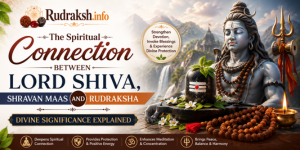
Revered for thousands of years, Rudraksha beads are believed to embody the divine energy of Lord Shiva and are cherished by saints, yogis, and devotees alike. When combined with the spiritual significance of Shravan Maas (Sawan), the importance of Rudraksha becomes even more profound.
Shravan Maas is considered the most auspicious month for worshipping Lord Shiva. It is a time of devotion, self-discipline, fasting, mantra chanting, and spiritual awakening. Wearing Rudraksha during this sacred month is believed to strengthen one's connection with Shiva, enhance inner peace, and support spiritual progress.
In this article, we explore the timeless relationship between Lord Shiva, Shravan Maas, and Rudraksha, and why this divine combination continues to inspire millions of devotees around the world.
The word Rudraksha is derived from two Sanskrit words:
According to Hindu tradition, Rudraksha beads originated from the compassionate tears of Lord Shiva. Moved by the suffering of living beings, Shiva entered deep meditation. When He opened His eyes, tears fell upon the earth and transformed into Rudraksha trees. The beads from these trees came to be revered as sacred gifts from Lord Shiva.
Because of this origin, Rudraksha is regarded as a symbol of divine protection, wisdom, compassion, and spiritual awakening.
Shravan Maas is one of the holiest months in the Hindu calendar. Various traditions associate this month with significant events connected to Lord Shiva.
According to the Samudra Manthan (Churning of the Ocean) legend, Lord Shiva consumed the deadly poison Halahala to protect the universe. It is believed that devotees offered water, milk, and sacred leaves to cool and honor Him. This act of devotion is remembered through the rituals performed during Shravan.
Throughout the month, devotees:
The spiritual atmosphere of Shravan makes it an ideal time for self-purification and devotion.
The relationship between Lord Shiva and Rudraksha is inseparable.
Many depictions of Lord Shiva show Him adorned with Rudraksha malas around His neck, arms, and wrists. These beads symbolize:
Wearing Rudraksha is therefore seen not merely as an ornament but as a reminder to cultivate qualities that Lord Shiva embodies—calmness, compassion, discipline, and spiritual awareness.
Shravan is believed to amplify the spiritual benefits of devotional practices. Many devotees choose this month to begin wearing a Rudraksha after proper purification and energization according to their tradition.
Some of the commonly believed spiritual benefits include:
Rudraksha serves as a constant reminder of Lord Shiva and encourages regular prayer, mantra chanting, and meditation.
Many practitioners use Rudraksha malas while chanting "Om Namah Shivaya" or the Mahamrityunjaya Mantra to improve focus and maintain rhythmic meditation.
Devotees believe that Rudraksha promotes emotional balance, reduces restlessness, and supports a calm state of mind, making it easier to engage in spiritual practices.
Traditional beliefs hold that Rudraksha acts as a protective spiritual companion, helping devotees remain steadfast on the path of righteousness.
The sacred month of Shravan emphasizes self-control, purity, and devotion. Wearing Rudraksha can serve as a daily reminder to live with discipline and compassion.
Different Mukhi Rudrakshas are traditionally associated with different energies and deities. Some commonly chosen beads during Shravan include:
The most widely worn Rudraksha, associated with Lord Shiva in many traditions. It is suitable for daily spiritual practice and mantra chanting.
Often chosen by devotees seeking balance, discipline, and improved focus.
Traditionally linked with the eleven forms of Rudra and worn by devotees seeking courage and spiritual strength.
Represents the divine union of Lord Shiva and Goddess Parvati and symbolizes harmony, unity, and spiritual completeness.
Note: The choice of Rudraksha should ideally be based on individual spiritual needs, guidance from a knowledgeable practitioner, or family traditions.
Many devotees follow these simple practices:
To deepen your connection with Lord Shiva during Shravan, you may:
While Rudraksha is deeply rooted in Hindu tradition, its significance extends beyond rituals. It symbolizes:
For many devotees, wearing Rudraksha is not only about receiving blessings but also about living according to the ideals represented by Lord Shiva.
The connection between Lord Shiva, Shravan Maas, and Rudraksha reflects a timeless tradition of devotion, discipline, and spiritual transformation. Shravan offers a sacred opportunity to deepen one's relationship with Lord Shiva through prayer, fasting, meditation, and righteous living. Rudraksha, revered as a divine symbol of Shiva's compassion, serves as a constant reminder of these spiritual ideals.
Whether you wear a Rudraksha mala, chant sacred mantras, or simply dedicate a few moments each day to sincere prayer, the essence of Shravan lies in cultivating purity of heart, humility, and unwavering devotion.
According to Hindu tradition, Rudraksha originated from the compassionate tears of Lord Shiva, making it one of His most sacred symbols.
Many devotees consider Shravan Maas highly auspicious for beginning to wear a Rudraksha because the month is dedicated to Lord Shiva and spiritual practices.
The Five Mukhi Rudraksha is the most commonly worn bead for daily worship and spiritual practice.
Yes. Many traditions permit men, women, and children to wear authentic Rudraksha with reverence, though practices may vary by lineage or family custom.
Many devotees perform a simple prayer or puja before wearing a Rudraksha. Some also seek guidance from a knowledgeable priest or spiritual teacher regarding consecration.